Connecticut Sues Kalshi Over Sports Betting

Written by: Jonathan Rodriguez
Published: Thu Aug 27, 2026, 10:00 am ET
Read Time: 4 minutes
industry
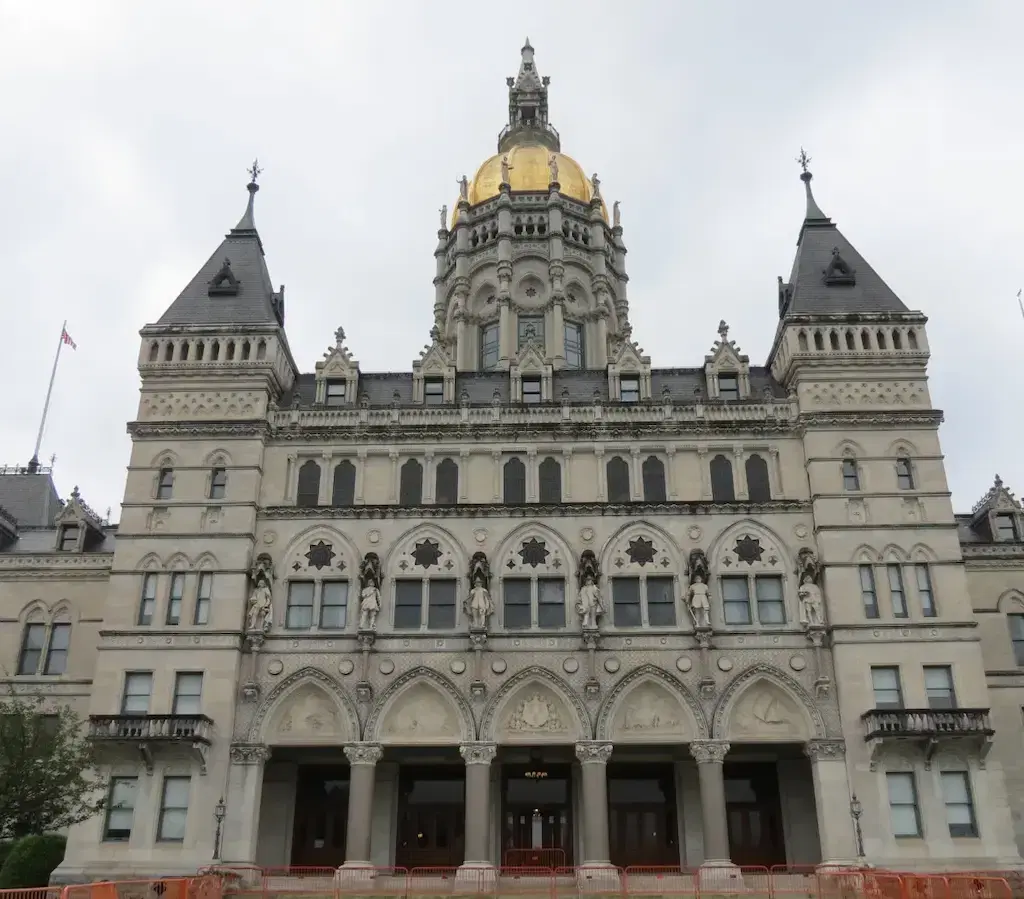
Connecticut has escalated its legal battle with Kalshi over the prediction market's sports contracts. The state now wants a court to block Kalshi from offering those contracts to residents.
Connecticut Attorney General William Tong, Gov. Ned Lamont, and state regulators filed the lawsuit on August 26. They allege that Kalshi operates an illegal and unlicensed sports betting business.
The case adds another chapter to the growing conflict between prediction markets and state gambling regulators. It also challenges Kalshi's claim that federal oversight protects its sports contracts from state gambling laws.
Connecticut Targets Kalshi's Sports Event Contracts
Connecticut officials argue that Kalshi's sports event contracts function like traditional sports wagers. The contracts allow users to take positions on sporting outcomes and other events.
Those markets can cover winners, championships, team performance, and player statistics. As a result, Connecticut considers the contracts subject to its gambling regulations.
"Sports event contracts are no different than sports betting and are not magically shielded by federal law from Connecticut's commonsense consumer protection laws," said Attorney General Tong in a press release.
"These laws exist for a reason – to protect minors, to prevent problem gambling, to ensure your money is safe and your personal information is protected."
Tong also said Kalshi does not currently provide those protections. Therefore, Connecticut is asking the court to stop the company's sports betting activities.
The lawsuit follows months of conflict between Kalshi and Connecticut regulators. The state's Department of Consumer Protection previously ordered Kalshi to stop offering its sports contracts.
State Officials Raise Consumer Protection Concerns
Connecticut officials have also focused heavily on consumer protection. They argue that licensed operators must meet strict standards before accepting sports wagers.
Those requirements cover areas such as age verification and responsible gambling measures. They also protect consumer funds and personal information.
Lamont said the prediction markets create additional risks for vulnerable groups.
"These prediction markets put Connecticut consumers, young people, our student athletes, and those suffering from gambling addiction at serious risk," said Gov. Ned Lamont.
"They have made it clear their goal is profits over people, and that's why we are holding them accountable."
Gov. Lamont also defended Connecticut's existing sports betting framework,
"When we legalized sports wagering in 2021, the goal was to create a safe, responsibly regulated market for Connecticut consumers, not to open a free-for-all on sports betting," Lamont said.
He added that Connecticut developed its framework alongside its tribal partners. He also emphasized the state's long-standing government-to-government relationship with tribal nations.
Kalshi Maintains Federal Oversight Applies
Kalshi has consistently argued that federal law governs its event contracts. The company maintains that the Commodity Futures Trading Commission has jurisdiction over its prediction markets.
That position directly conflicts with Connecticut's approach. The state argues that federal oversight does not prevent it from enforcing gambling laws.
The dispute also comes after a significant federal court development. Judge Vernon D. Oliver recently rejected Kalshi's request for a preliminary injunction against Connecticut officials.
That decision allowed Connecticut's enforcement position to continue. Kalshi subsequently appealed the ruling to the Second Circuit.
The latest lawsuit therefore adds another legal front to the dispute.
Potential Impact on US Online Sportsbooks
The case could also affect the broader competitive landscape for US online sportsbooks. Licensed sportsbooks operate under state-specific rules and regulatory requirements.
Kalshi's sports contracts offer a different model while competing for similar consumer activity. Consequently, state regulators increasingly question whether prediction markets should face comparable restrictions.
The outcome could influence how other states approach sports-focused prediction markets. It may also shape the legal boundaries between federally regulated event contracts and state-regulated sports wagering.
For Connecticut gambling, the immediate issue remains narrower. The state wants to prevent Kalshi from offering sports contracts without complying with Connecticut's licensing requirements.
The Bottom Line
Connecticut has moved from regulatory warnings to direct legal action against Kalshi. The state now seeks a court injunction targeting Kalshi's sports event contracts.
Meanwhile, Kalshi continues to challenge state authority through the federal courts. The resulting litigation could become an important test for prediction markets across the United States.
For now, Connecticut officials remain focused on keeping sports wagering within the state's regulated framework.
Betting Industry News Betting Industry News Betting Industry News Betting Industry NewsMore Industry News

Novig and New Mexico Seek Yearlong Pause in Federal Lawsuit

Illinois Gambling Revenue and Sports Betting in June

Endorphina Secures Alberta iGaming License
Nevada Challenges Kalshi With NC Prediction Tax

Jonathan Rodriguez
Jonathan is an avid basketball fan, and is often looking forward to the next upcoming NBA season when not checking players' stats during games. He also likes to keep his ears on the ground for the latest rumblings in the online casino industry.
This site contains commercial content. We may be compensated for the links provided on this page. The content on this page is for informational purposes only. Betting News makes no representation or warranty as to the accuracy of the information given or the outcome of any game or event.