Kahnawà:ke Withdraws Supreme Court iGaming Appeal

Written by: Jonathan Rodriguez
Published: Tue Jun 23, 2026, 9:00 am ET
Read Time: 3 minutes
industry
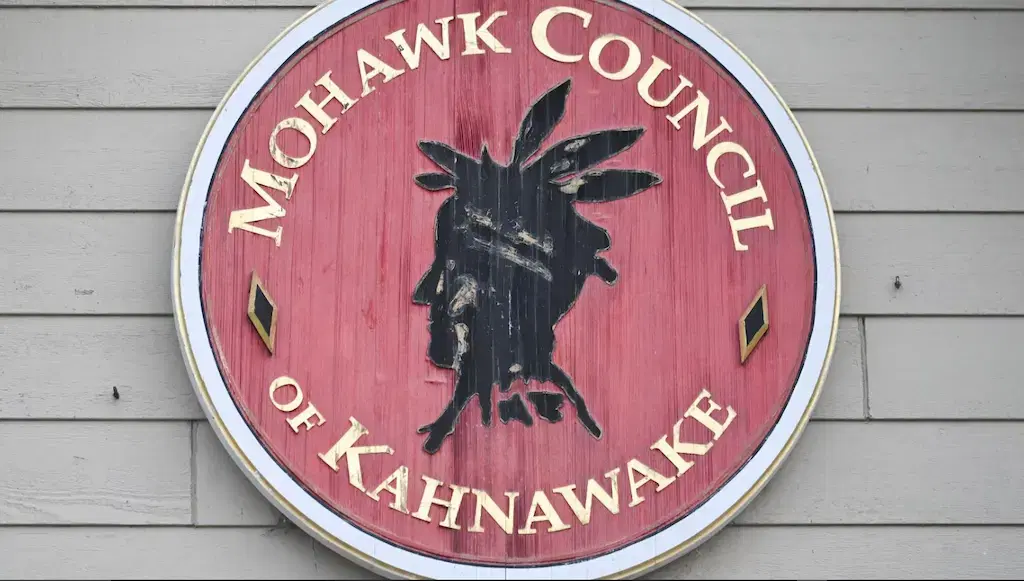
The Mohawk Council of Kahnawà:ke has formally withdrawn its appeal before the Supreme Court of Canada in a closely watched dispute over international pooled liquidity for online poker and other peer-to-peer iGaming products.
The decision marks a significant procedural shift in a case that continues to shape Canada online casinos and Canada online sportsbooks regulation. At its core, the dispute examines whether Ontario gambling laws can support cross-border player pools under Canada's Criminal Code framework.
This latest development comes after a broader legal chain reaction that began in late 2024, when the Court of Appeal for Ontario ruled that international pooled liquidity was legally permissible under provincial gaming authority.
Despite Kahnawà:ke stepping back, the appeal continues and remains focused on the legality of international liquidity structures.
Why Kahnawà:ke is withdrawing its Supreme Court appeal
The Mohawk Council of Kahnawà:ke cited two main reasons for withdrawing from the appeal.
First, it concluded that its legal position would remain adequately represented by other intervenors already participating in the case. These include provincial lottery corporations that continue to challenge Ontario's interpretation of online gaming liquidity rules.
Second, the Council emphasized resource allocation as a deciding factor. It determined that continued participation in a lengthy Supreme Court process would require significant time and financial resources without materially changing the arguments already before the Court.
As Tehosterihens Deer explained, the Council's position had already been fully carried forward through other parties involved in the litigation:
"The Mohawk Council of Kahnawà:ke carefully considered its involvement at the appellate level and determined that its perspective would be sufficiently reflected by other intervenors in the proceedings based on the arguments raised at the Court of Appeal," he said.
Legal Question: Ontario's Role in International iGaming Liquidity
At the center of the case remains a key legal question about Ontario's authority in regulating digital peer-to-peer gambling.
The Supreme Court is considering whether Ontario can legally allow players in its regulated iGaming market to compete directly with players outside Canada. This structure would effectively expand Ontario gambling beyond provincial borders through shared liquidity pools.
In addition, the Court is examining whether Ontario can "pool liquidity" internationally for poker, daily fantasy sports, and similar peer-to-peer formats.
The debate turns on the Criminal Code requirement that betting activity occur "in that province," which some stakeholders argue limits cross-border participation. Ontario and its supporters maintain that modern online gaming infrastructure justifies a broader interpretation.
Supreme Court Direction After Kahnawà:ke's Withdrawal
Following Kahnawà:ke's withdrawal, the Supreme Court appeal continues with a more streamlined set of intervenors. However, the central legal conflict remains unchanged. Provincial lottery corporations continue to oppose Ontario's liquidity model.
Meanwhile, Ontario-aligned stakeholders argue that international player pooling is essential for competitive online markets.
The case has increasingly become a defining test of how Canadian courts interpret digital gambling frameworks. It also reflects broader tensions between provincial regulatory control and evolving global iGaming markets.
As a result, legal observers continue to view the case as a potential turning point for Canada's online gambling structure.
Ontario Gambling Landscape and Alberta Gambling Expansion
Ontario gambling remains the most advanced regulated iGaming market in Canada.
The province has established a multi-operator system that supports online poker, casino gaming, and sports wagering under a formal regulatory framework. This structure continues to influence how Canada online casinos and Canada online sportsbooks operate nationally.
Meanwhile, Alberta gambling is emerging as a significant factor in the broader regulatory landscape. Alberta has signaled interest in developing a more open iGaming model, potentially aligning more closely with Ontario's liquidity approach.
This shift could strengthen arguments favoring broader cross-jurisdictional player pooling.
Together, Ontario and Alberta's evolving regulatory strategies may influence how the Supreme Court evaluates international iGaming liquidity.
Their market direction could reshape how Canada online casinos and sportsbooks integrate cross-border competition moving forward.
Betting Industry News Betting Industry News Betting Industry News Betting Industry NewsMore Industry News

Nevada Problem Gambling Council Cuts NCPG Ties

NYC Council Probes Prediction Market Marketing
New York Sports Betting Hits $214M Revenue Record

Colorado Sports Betting Deposit Limits Start August 12

Jonathan Rodriguez
Jonathan is an avid basketball fan, and is often looking forward to the next upcoming NBA season when not checking players' stats during games. He also likes to keep his ears on the ground for the latest rumblings in the online casino industry.
This site contains commercial content. We may be compensated for the links provided on this page. The content on this page is for informational purposes only. Betting News makes no representation or warranty as to the accuracy of the information given or the outcome of any game or event.