Maryland Online Casino Push Misses 2026 Ballot

Written by: Jonathan Rodriguez
Published: Mon Sep 21, 2026, 7:00 am ET
Read Time: 4 minutes
industry
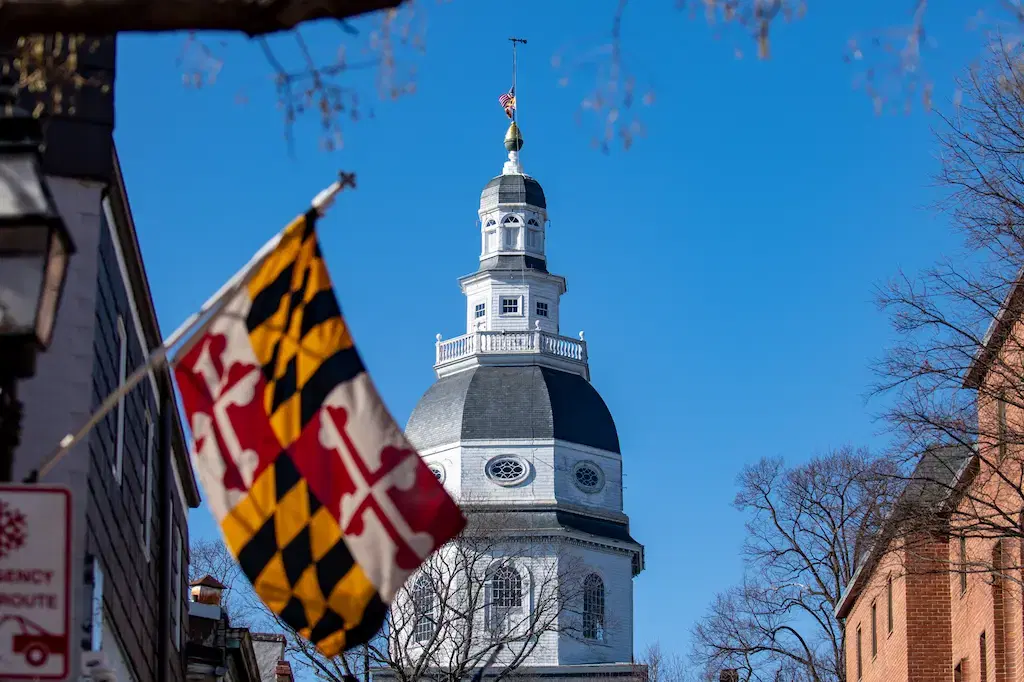
Maryland lawmakers have once again failed to advance legislation that could legalize online casino gaming in the state. The latest effort stalled during the 2026 legislative session, preventing voters from deciding the issue this November.
The setback marks the fourth consecutive year that Maryland lawmakers have failed to put an online casino referendum before voters. As a result, Maryland gambling remains limited to retail casinos and legal online sports betting.
The development also leaves Maryland outside the growing US online casinos market. Several states now allow residents to play regulated casino games through licensed websites and mobile platforms. Maryland, however, has yet to establish a similar framework.
Maryland Online Casino Bills Stall in 2026
Sen. Ron Watson reintroduced legislation this year that sought to establish a voter referendum on online gaming expansion.
Watson paired the referendum proposal with separate legislation covering the regulatory framework for licensed online casinos. The referendum measure, SB 761, would have asked voters to approve a constitutional amendment allowing internet gaming.
However, the proposal did not secure enough legislative support. Maryland's official legislative records show that SB 761 received an unfavorable report from the Senate Budget and Taxation Committee. Watson subsequently withdrew the measure on March 13.
Delegate Vanessa Atterbeary also introduced a companion effort in the House of Delegates. Her involvement gave the proposal a corresponding House vehicle as lawmakers considered the potential expansion.
The House and Senate efforts ultimately failed to advance far enough for Maryland voters to consider the issue. Consequently, lawmakers could not place online casino legalization on the 2026 statewide ballot.
Maryland Constitution Requires a Public Vote
The state's constitutional framework makes the ballot process particularly important for gambling expansion.
Maryland's Constitution requires voter approval before the state can expand commercial gambling. Instead, any proposal that expands commercial gambling must receive legislative approval before going to voters as a constitutional referendum. Without a constitutional amendment approved by the electorate, Maryland cannot authorize online gaming through standard legislation alone.
That requirement explains why the stalled referendum bills created such a significant obstacle. Without legislative approval, voters cannot consider the constitutional amendment needed for an expansion.
Retail Casinos Remain a Key Issue
Meanwhile, opposition from Maryland's existing casino industry continues to influence the debate.
Retail casino operators have raised concerns about the potential impact of online gaming on their properties. According to Bonus.com, operators have argued that online casinos could shift revenue away from physical casinos.
That issue creates a significant challenge for lawmakers considering another proposal. Maryland already has an established casino industry, meaning any online expansion could affect how gaming revenue is distributed.
Furthermore, policymakers would need to determine how a potential iGaming market would operate. Tax rates, licensing requirements, consumer protections, and regulatory oversight would all require legislative decisions.
Maryland Still Has No Regulated Online Casinos
Maryland has steadily expanded its gambling market over the past two decades.
The state introduced casino slot machines in 2008 before adding table games in 2012. It later launched sports betting, including online and mobile wagering.
Online casino gaming remains the major missing component of Maryland's regulated market.
The situation contrasts with states that have already established legal iGaming markets. Those jurisdictions allow licensed operators to offer slots, blackjack, roulette, and other casino products online.
As a result, Maryland residents lack access to a state-regulated online casino market.
Watson Plans Another Push in 2027
Despite the latest setback, the effort to legalize online casinos is not over.
Watson has indicated that he plans to continue pursuing iGaming legislation when the General Assembly reconvenes in January 2027.
However, another proposal would still need to overcome the same legislative disagreements. Lawmakers would need to reach an agreement on taxation and the potential effects on Maryland's existing casino industry.
The failed 2026 effort therefore delays, rather than ends, the state's online casino debate. For now, Maryland gambling will continue without regulated internet casino gaming.
If lawmakers introduce another referendum proposal in 2027, Maryland could again consider joining the expanding US online casinos market. However, any future expansion would still require legislative approval and a public vote.
Betting Industry News Betting Industry News Betting Industry News Betting Industry NewsMore Industry News

Ohio iGaming Bill Could Bring Online Casinos Closer
NFL Bans Prediction Market Ads During Games
Missouri AG Targets Prediction Markets Over Sports Bets
Protect College Sports Act Advances in Senate

Jonathan Rodriguez
Jonathan is an avid basketball fan, and is often looking forward to the next upcoming NBA season when not checking players' stats during games. He also likes to keep his ears on the ground for the latest rumblings in the online casino industry.
This site contains commercial content. We may be compensated for the links provided on this page. The content on this page is for informational purposes only. Betting News makes no representation or warranty as to the accuracy of the information given or the outcome of any game or event.