Seminole Tribe Sues DraftKings in FL Betting Dispute

Written by: Jonathan Rodriguez
Published: Mon Oct 12, 2026, 11:00 am ET
Read Time: 4 minutes
industry
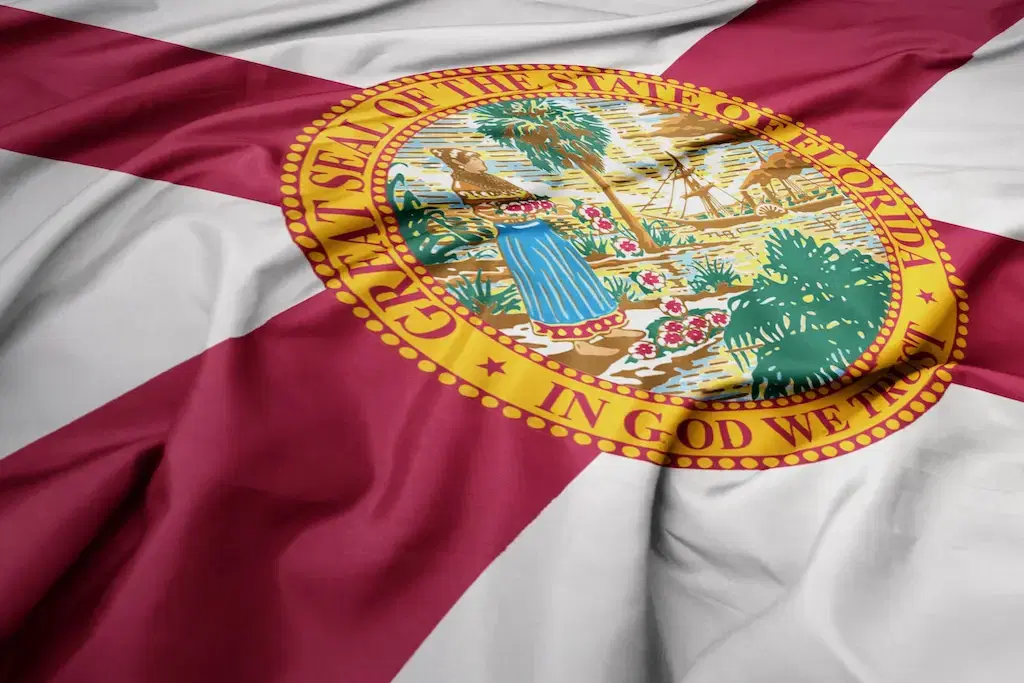
The Seminole Tribe of Florida has sued DraftKings, alleging the company is circumventing state sports betting rules through fantasy contests and prediction markets.
Filed on October 8 in Broward County Circuit Court, the lawsuit targets DraftKings CEO Jason Robins and other defendants. The Tribe argues that these products undermine its exclusive rights under Florida's gaming compact and effectively operate as an unauthorized sportsbook.
The case adds to growing tensions between state gambling regulators and prediction-market operators over who can offer sports-related contracts.
Seminole Tribe Challenges DraftKings Products
The complaint focuses on DraftKings Pick6 and DraftKings Predictions. Pick6 lets players predict whether athletes will perform above or below statistical projections. Meanwhile, DraftKings Predictions offers contracts tied to sports outcomes, including moneylines, point spreads and player performances.
The Tribe argues that these products replicate conventional sports betting, regardless of how DraftKings classifies them.
"These Illegal Sports Gambling Offerings functionally replicate the sportsbook that DraftKings offers in States where sports betting is legal and DraftKings is licensed," counsel wrote on behalf of the Seminole Tribe.
The complaint also alleges that Robins directed DraftKings to focus on states without legal online sports betting when launching these offerings. Florida, however, already has regulated online sports betting through the Tribe's exclusive arrangement with the state.
"Of course, Florida does have legal, regulated online sports betting; Defendants are simply not entitled to offer a sportsbook under Florida law," the Tribe's counsel added.
The lawsuit cites several legal claims, including alleged illegal gambling, racketeering under the Florida RICO Act and violations of the Florida Deceptive and Unfair Trade Practices Act (FDUTPA).
The Tribe also alleges unfair competition and seeks relief for the defendants' purported violations. These allegations remain unproven, and the court has not determined whether DraftKings violated any laws.
Florida Gaming Compact at the Center of Dispute
The Seminole Tribe's 2021 gaming compact with Florida provides the legal foundation for its challenge. The agreement grants the Tribe exclusive statewide sports betting rights through its Hard Rock Bet platform. In return, the Tribe makes substantial revenue-sharing payments to the state.
"In exchange for implementing these comprehensive safeguards and substantial revenue-share payments, the Tribe receives the exclusive right to offer online sports betting throughout the State of Florida," the Tribe noted in its lawsuit.
The compact carries significant financial stakes. The Tribe's guaranteed payments have been reported at more than $500 million annually, with projected payments exceeding $6 billion through 2051. Protecting its exclusive sports betting rights therefore has substantial implications for the Tribe's business and its long-term financial commitments to Florida.
The Seminole Tribe argues that DraftKings' products undermine this arrangement and bypass Florida's gambling oversight. The dispute could also affect state revenue and the regulatory framework governing Florida gambling.
The Tribe is seeking a court order to stop DraftKings from offering the disputed products in Florida. It also seeks restitution, disgorgement of allegedly generated profits, legal fees and other damages.
Additionally, the Seminole Tribe intends to direct recovered profits toward consumer protection and responsible gaming programs in Florida. This includes efforts to prevent and address gambling-related harm.
DraftKings Defends Its Prediction Markets
In response, DraftKings maintains that its products comply with applicable law and distinguishes its prediction markets from traditional sports wagering.
"DraftKings' prediction markets offering operates in accordance with applicable law and the federal regulatory framework established under the Commodity Exchange Act," a company spokesperson said.
The spokesperson also defended Pick6 as a fantasy sports product rather than a sportsbook.
"Furthermore, DraftKings Pick6 is a peer-to-peer fantasy sports variant centered on a simple 'more or less' mechanic tied to individual athlete performance metrics and is not sports betting," the spokesperson added.
The company also expressed respect for the Tribe's sovereignty while reaffirming its confidence in its legal position.
"While the company has deep respect for Seminole Tribe's sovereignty, we remain confident in our legal position," the spokesperson concluded.
Potential Implications for US Online Sportsbooks
The lawsuit highlights a broader regulatory conflict between state gambling laws and the federal framework governing prediction markets.
Operators offering sports event contracts argue that federal commodities rules permit their products. Meanwhile, tribal authorities and state regulators challenge their classification.
The case could help clarify the boundaries between fantasy sports, prediction markets and conventional sports betting. It may also influence how US online sportsbooks and prediction-market operators approach states with exclusive tribal gaming arrangements.
However, the court has not yet resolved the dispute. The outcome will depend on how it interprets Florida law, the gaming compact and the federal rules governing prediction markets.
Betting Industry News Betting Industry News Betting Industry News Betting Industry NewsMore Industry News
Rep. Horsford Pushes Congress to Advance FULL HOUSE Act
Canada Supreme Court Reviews Ontario iGaming Plans
South Carolina Governor Race Could Open Door to Sports Betting

Nevada Targets 2027 Sportsbook Tech Standards Overhaul

Jonathan Rodriguez
Jonathan is an avid basketball fan, and is often looking forward to the next upcoming NBA season when not checking players' stats during games. He also likes to keep his ears on the ground for the latest rumblings in the online casino industry.
This site contains commercial content. We may be compensated for the links provided on this page. The content on this page is for informational purposes only. Betting News makes no representation or warranty as to the accuracy of the information given or the outcome of any game or event.