Stop Lawmakers From Predicting Act Targets Congress Bets

Written by: Jonathan Rodriguez
Published: Mon Jun 22, 2026, 11:00 am ET
Read Time: 4 minutes
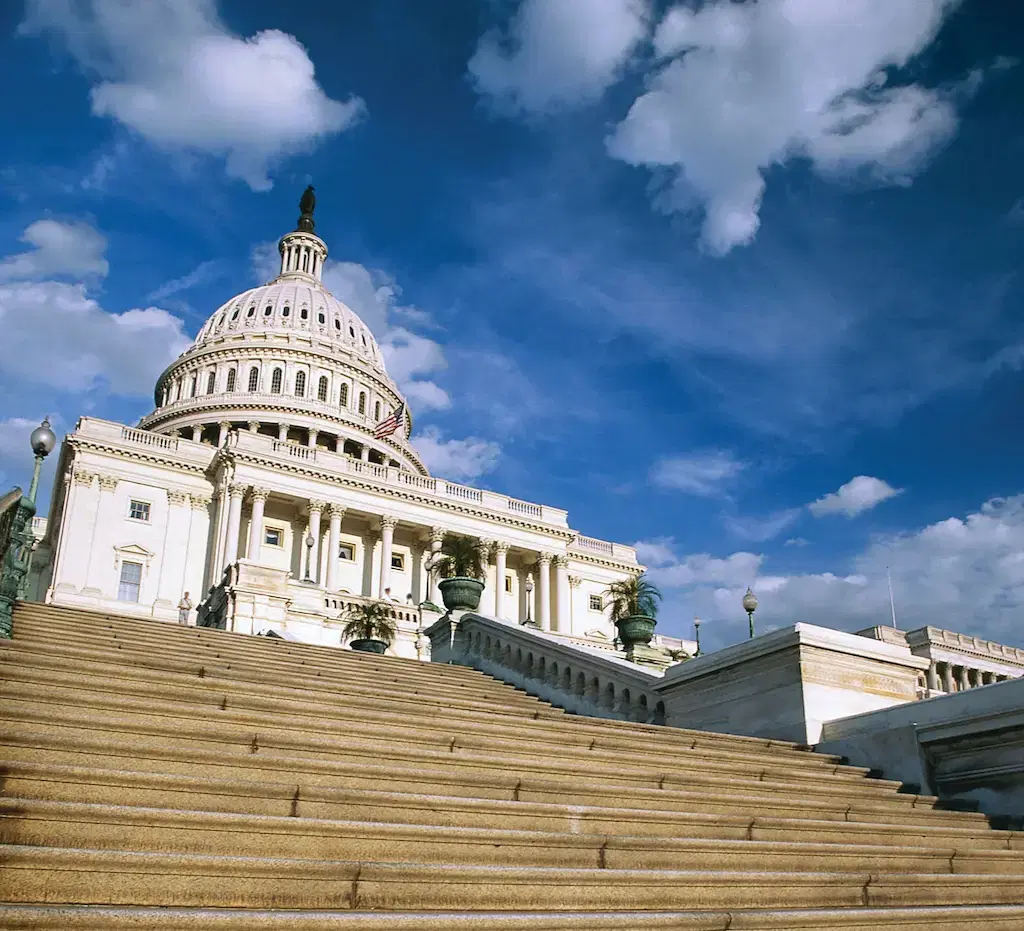
industry
US lawmakers have introduced new legislation aimed at limiting congressional participation in prediction markets tied to political and policy outcomes. The proposed Stop Lawmakers From Predicting Act seeks to prevent members of Congress from placing trades or bets on event-based contracts that could create conflicts of interest.
The bill arrives as prediction markets continue to grow in visibility across US gambling debates. This is especially the case as platforms expand coverage of elections, legislation, and geopolitical outcomes.
At the same time, regulators and lawmakers continue to compare these markets to financial derivatives and US online sportsbooks, raising questions about oversight and ethics.
Key Provisions of the Stop Lawmakers From Predicting Act
Representative Bryan Steil has introduced the Stop Lawmakers From Predicting Act in the House. The legislation specifically targets members of Congress and restricts their participation in prediction markets tied to political, legislative, or policy outcomes.
"The American people deserve to know their Member of Congress is not profiting off insider information," Steil noted. "The Stop Lawmakers from Predicting Act ensures that cannot happen. This legislation is critical to restoring the public's trust in their elected officials. Lawmakers should be writing policy, not wagering on its outcome."
Under the bill, lawmakers cannot enter contracts based on elections, congressional votes, regulatory actions, or other government decisions. Importantly, the restriction also extends to spouses and dependent children, closing potential loopholes where family members could execute trades on a lawmaker's behalf.
The bill introduces strict enforcement measures. Violations trigger a civil penalty equal to $2,000 or 10% of the transaction's value, whichever is greater.
In addition, lawmakers must forfeit any profits gained from prohibited prediction market activity. They also cannot use campaign funds to pay these penalties, which strengthens the personal financial impact of enforcement.
Moreover, the legislation reflects growing concern that prediction markets blur the line between financial trading and gambling. As a result, it feeds into broader discussions about US gambling oversight and the regulatory treatment of event-based contracts that resemble wagers offered by US online sportsbooks.
Why the Bill was Introduced
Lawmakers introduced the Stop Lawmakers From Predicting Act to address concerns over conflicts of interest and potential insider advantage. Supporters argue that elected officials should not profit from markets tied to outcomes they can directly influence or access before the public.
In addition, policymakers warn that prediction markets may create incentives similar to insider trading in traditional financial systems. They argue that allowing lawmakers to participate could erode public trust in legislative integrity.
At the same time, related legislation has emerged in Congress. Bill S.4160, also known as the Prediction Markets are Gambling Act, has been introduced but remains pending committee consideration. That proposal focuses on whether prediction markets should be formally classified under gambling law or treated as federally regulated financial instruments.
Together, these efforts show a broader push to define clearer ethical and regulatory boundaries. They also highlight how prediction markets increasingly sit at the intersection of financial speculation, political forecasting, and gambling policy.
The Bigger Picture Around Prediction Markets and Regulation
The Stop Lawmakers From Predicting Act reflects a wider national debate over prediction markets and their place within US gambling regulation. Several states, including Michigan, Minnesota, and Nevada, have already pushed back against certain event-based contracts, arguing that they resemble unlicensed wagering activity.
Regulators continue to debate whether prediction markets should be governed as financial derivatives or treated as gambling products. This classification determines whether federal oversight or state-level gambling laws apply.
In addition, prediction markets increasingly overlap with sports-related event structures. Markets tied to political outcomes often mirror the speculative behavior seen in US online sportsbooks, where users wager on sports results under regulated frameworks.
As scrutiny increases, lawmakers continue to weigh how to regulate these hybrid platforms. Ultimately, the Stop Lawmakers From Predicting Act signals a targeted ethics reform for Congress. Meanwhile, broader questions over prediction markets, US gambling, and financial regulation remain unresolved.
Betting Industry News Betting Industry News Betting Industry News Betting Industry NewsMore Industry News
Protect College Sports Act Advances in Senate

Ninth Circuit Reverses Kalshi Tribal Injunction Ruling

New York Sports Betting Handle Falls 15% in August
H.R.10357 Advances Gambling Loss Tax Deduction Fix

Jonathan Rodriguez
Jonathan is an avid basketball fan, and is often looking forward to the next upcoming NBA season when not checking players' stats during games. He also likes to keep his ears on the ground for the latest rumblings in the online casino industry.
This site contains commercial content. We may be compensated for the links provided on this page. The content on this page is for informational purposes only. Betting News makes no representation or warranty as to the accuracy of the information given or the outcome of any game or event.