Wisconsin Judge Lets Ho-Chunk IGRA Case vs Kalshi Proceed

Written by: Jonathan Rodriguez
Published: Wed May 13, 2026, 9:00 am ET
Read Time: 3 minutes
industry
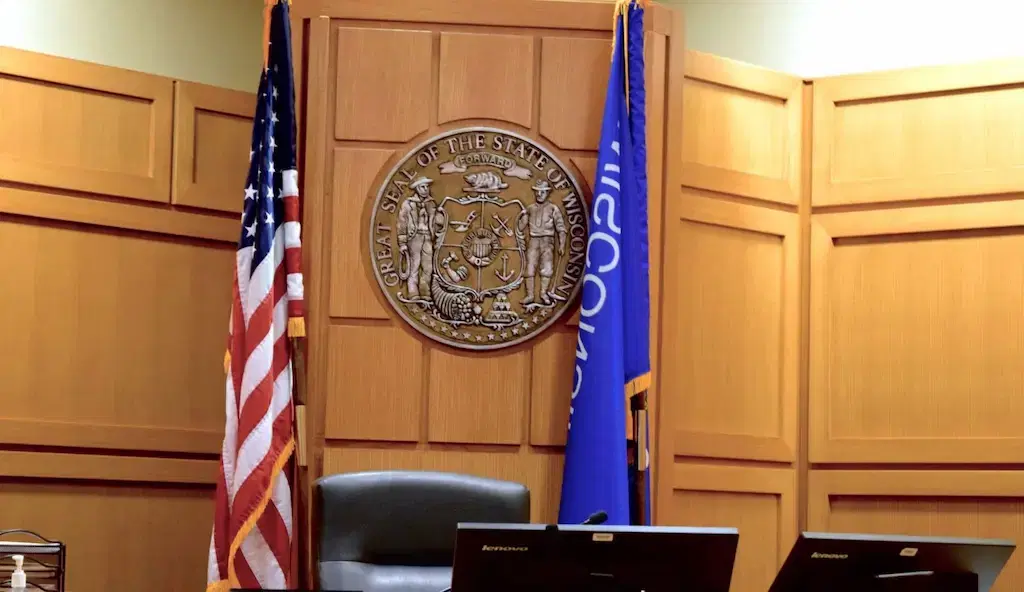
A federal judge in Wisconsin has allowed the Ho-Chunk Nation's core claims under the Indian Gaming Regulatory Act (IGRA) against Kalshi to move forward. The ruling marks an early legal step in a broader dispute over prediction markets and sports-style event contracts.
The decision adds momentum to ongoing tensions between tribal gaming rights and emerging platforms that resemble betting markets. Moreover, it raises new questions for US online sportsbooks and their regulatory boundaries.
It also highlights growing friction in Wisconsin gambling enforcement involving tribal sovereignty.
Judge Conley Allows Ho-Chunk Nation's IGRA Claims to Proceed Against Kalshi
U.S. District Judge William M. Conley ruled that the Ho-Chunk Nation may pursue its IGRA-based lawsuit against Kalshi. The tribe argues that Kalshi's event contracts amount to Class III gaming conducted on tribal lands without authorization.
Importantly, the court found the tribe's legal theory plausible under IGRA protections. As a result, the case will proceed beyond the dismissal stage and into deeper litigation.
Judge Conley emphasized tribal protections under federal law. He wrote:
"Finally, if there were any ambiguity as to a tribe's authority to enjoin class III gaming
conducted on its tribal lands under IGRA, the well-established canons of statutory construction
require that this court interpret that ambiguity to benefit the Nation tribe."
Judge Conley added, "See, e.g., Montana v. Blackfeet Tribe of Indians, 471 U.S. 759, 766 (1985) ('[S]tatutes are to be construed liberally in favor of the Indians, with ambiguous provisions interpreted to their benefit …'). Accordingly, the court concludes that plaintiff can sue Kalshi under IGRA for violating its Tribal-State compact and Gaming Ordinance by offering class III gaming on Indian lands absent authorization from plaintiff."
IGRA Framework and Tribal Enforcement Rights
Under IGRA, tribes retain regulatory authority over Class III gaming conducted on Indian lands. Additionally, tribal-state compacts define how and where such gaming can occur.
Critically, IGRA allows tribes to challenge unauthorized gaming activity that interferes with their exclusive rights. Therefore, tribes can pursue legal action against third parties operating in violation of compacts or tribal ordinances. This framework forms the legal foundation of the Ho-Chunk Nation's claims against Kalshi.
Judge Conley Rejects Kalshi UIGEA Shield Argument
Judge Conley also dismissed Kalshi's argument that federal law protects its operations. Specifically, Kalshi pointed to the Unlawful Internet Gambling Enforcement Act (UIGEA) as a shield.
However, the court rejected that interpretation outright. Conley stated:
"Just because Kalshi's conduct is not prohibited by the UIGEA does not make its offering of sports betting contracts legal anywhere, much less on Indian lands where it is expressly prohibited."
This reasoning narrowed Kalshi's defense significantly. Furthermore, it reinforced the distinction between federal payment rules and tribal gaming authority.
Court Denies Preliminary Injunction Request
Despite allowing the case to proceed, the court denied the Ho-Chunk Nation's request for a preliminary injunction. The judge found that the tribe did not meet the high legal standard for immediate and irreparable harm.
As a result, Kalshi can continue operating in the short term while litigation proceeds. Nevertheless, the ruling keeps the broader IGRA claims alive, which may eventually reshape how prediction markets interact with tribal gaming law.
This outcome creates a mixed scenario for both parties. The Ho-Chunk Nation advances its legal theory, but without immediate operational relief.
Wisconsin Case Deviates From California Tribal Litigation
The Wisconsin ruling differs from parallel litigation involving tribes in California. In that case, courts have taken a more cautious approach toward event contract platforms.
By contrast, the Wisconsin court allowed IGRA claims to survive dismissal while still denying emergency relief. Consequently, this divergence may signal inconsistent judicial approaches to prediction markets.
Ultimately, the Wisconsin case could become a key reference point in defining how IGRA applies to modern event-based trading platforms.
Betting Industry News Betting Industry News Betting Industry News Betting Industry NewsMore Industry News

Churchill Downs Names Eric Thomson Marketing SVP

AGCO Fines Booming Games C$70K Over Auto-Play
Massachusetts Sports Betting Surges in July 2026
Florida AG Targets Sweepstakes Casinos: Stake & VGW Sued

Jonathan Rodriguez
Jonathan is an avid basketball fan, and is often looking forward to the next upcoming NBA season when not checking players' stats during games. He also likes to keep his ears on the ground for the latest rumblings in the online casino industry.
This site contains commercial content. We may be compensated for the links provided on this page. The content on this page is for informational purposes only. Betting News makes no representation or warranty as to the accuracy of the information given or the outcome of any game or event.