Gov. Whitmer’s Gambling Tax Plan Halted by Michigan Lawmakers

Written by: Jonathan Rodriguez
Published: Mon May 11, 2026, 9:00 am ET
Read Time: 4 minutes
industry
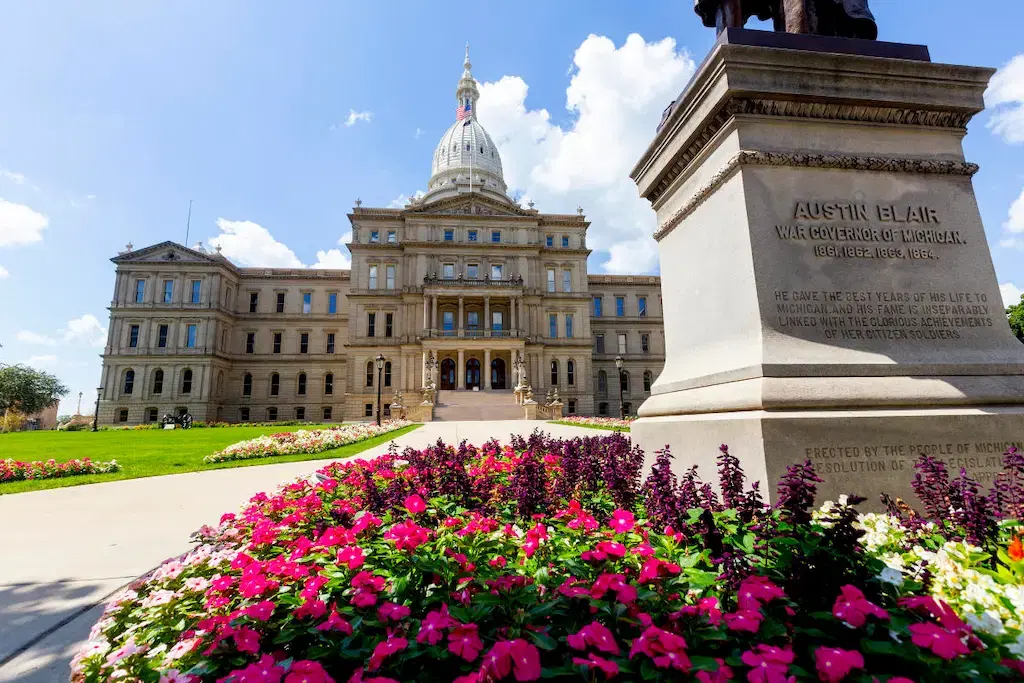
Michigan lawmakers have halted Governor Gretchen Whitmer's proposal to raise gambling taxes during Fiscal Year 2027 budget negotiations. The proposal formed part of Whitmer's $88.1 billion budget plan for the fiscal year beginning October 1, 2026. However, lawmakers excluded the gambling tax measures from both House and Senate budget drafts.
Gov. Whitmer's administration introduced the tax proposal to help address a growing Medicaid funding shortfall. State officials estimate Michigan must find roughly $800 million to stabilize the healthcare program after federal funding changes tied to the One Big Beautiful Bill Act of 2025.
The proposed taxes targeted both US online sportsbooks and US online casinos operating in Michigan.
Lawmakers from both parties questioned the timing and structure of the proposed increases. Several legislators also raised concerns about the impact on operators and consumers.
Michigan Lawmakers Remain Unconvinced About Gambling Tax Increases
Michigan lawmakers continue debating overall state spending while resisting Gov. Whitmer's proposed gambling tax hikes.
The Republican-controlled House introduced a budget proposal worth roughly $76 billion. Meanwhile, the Democratic-led Senate proposed a significantly larger $88 billion spending plan. Those differences have complicated negotiations ahead of key budget deadlines.
Although Michigan's fiscal year officially begins on October 1, lawmakers are aiming for a July 1 agreement. Legislators want schools and local agencies to finalize staffing and program decisions before their fiscal years begin.
Democratic State Sen. Sarah Anthony addressed the gambling tax issue during recent budget discussions. Anthony stated lawmakers remain "open to the conversation" regarding new gambling taxes.
However, she also confirmed legislators have not included that projected revenue in current spending proposals.
Several lawmakers from both parties expressed hesitation about expanding taxes on Michigan gambling markets. Critics argued the proposal could hurt operators and bettors alike.
Industry representatives also warned the changes might reduce competitiveness among US online sportsbooks in the state.
Gov. Whitmer's Gambling Tax Plan Targets Sports Betting and Online Casinos
Gov. Whitmer's proposal sought major changes to Michigan's gambling tax structure.
First, the governor proposed a per-bet tax for online sportsbooks. Operators would pay 25 cents on the first 20 million wagers annually. After crossing that threshold, operators would pay 50 cents per bet.
The proposal mirrors Illinois' recently implemented wagering tax structure. State officials estimated the measure could generate nearly $39 million annually.
Whitmer also proposed increasing taxes on US online casinos operating in Michigan. Under the plan, operators generating over $185 million in adjusted gross receipts would face a top tax rate of 36%.
Additionally, the proposal aimed to limit deductions tied to promotional free bets and bonus offers.
Overall, state officials projected the combined measures could generate nearly $200 million in additional annual revenue.
Moreover, Gov. Whitmer's administration hoped the added revenue would help offset rising Medicaid costs and broader budget pressures connected to the One Big Beautiful Bill Act of 2025.
Lawmakers Worry About the "Illinois Model"
Michigan lawmakers repeatedly referenced Illinois while discussing Whitmer's proposal. Illinois recently adopted a per-bet tax structure for online sportsbooks. Since then, several operators introduced transaction fees and betting minimum adjustments.
Industry groups argued those changes negatively affected customers and betting activity. Recent reports also showed Illinois sportsbooks experienced pressure on wagering volume following the tax implementation.
Michigan lawmakers fear similar outcomes could emerge locally if the state adopts the same approach.
Meanwhile, critics believe smaller recreational bettors would feel the largest impact from per-bet charges. Some lawmakers also warned operators might reduce promotions or limit market offerings to offset rising costs.
As a result, legislators remain cautious about embracing the Illinois model for Michigan gambling markets.
Michigan Budget Negotiations Continue Ahead of Key Deadlines
Michigan lawmakers still must finalize the Fiscal Year 2027 budget before October 1, 2026. However, legislative leaders are pushing for major progress before July 1 to help schools and public agencies prepare their budgets.
Current negotiations remain fluid as House and Senate leaders debate overall spending priorities and healthcare funding gaps.
The rejection of Gov. Whitmer's gambling tax proposal also leaves lawmakers searching for alternative revenue sources. Legislators still must address the estimated $800 million Medicaid funding gap tied to the One Big Beautiful Bill Act of 2025.
Although lawmakers excluded gambling tax increases from current drafts, discussions could continue during future hearings. Gov. Whitmer's administration may still push for revised gambling tax measures during negotiations later this year.
However, bipartisan resistance currently creates significant uncertainty around the proposal's future.
For now, Michigan gambling operators avoid immediate tax increases while lawmakers continue broader budget negotiations.
Betting Industry News Betting Industry News Betting Industry News Betting Industry NewsMore Industry News
Protect College Sports Act Advances in Senate

Ninth Circuit Reverses Kalshi Tribal Injunction Ruling

New York Sports Betting Handle Falls 15% in August
H.R.10357 Advances Gambling Loss Tax Deduction Fix

Jonathan Rodriguez
Jonathan is an avid basketball fan, and is often looking forward to the next upcoming NBA season when not checking players' stats during games. He also likes to keep his ears on the ground for the latest rumblings in the online casino industry.
This site contains commercial content. We may be compensated for the links provided on this page. The content on this page is for informational purposes only. Betting News makes no representation or warranty as to the accuracy of the information given or the outcome of any game or event.