NJ’s SB 4111 Proposes World Cup Betting Surcharge

Written by: Jonathan Rodriguez
Published: Fri May 08, 2026, 9:00 am ET
Read Time: 3 minutes
industry
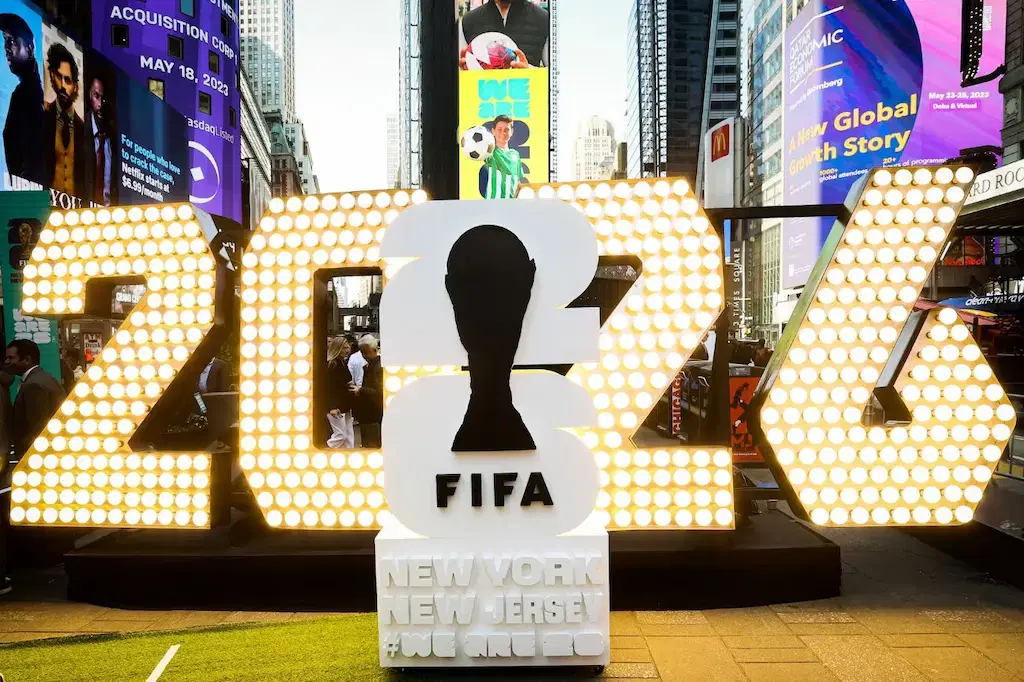
New Jersey lawmakers have introduced a proposal under Senate Bill 4111 (SB 4111) that would temporarily increase taxes on sports betting activity during the 2026 FIFA World Cup.
The measure targets wagering revenue tied to the tournament and aims to help fund event-related costs. It applies to betting activity offered through US online sportsbooks and retail operators. As a result, the bill has drawn strong attention across the regulated gambling industry.
SB 4111 Core Proposal: World Cup Betting Surcharge
SB 4111 proposes a 10% surcharge on sports betting revenue generated from World Cup wagers. This includes bets on match outcomes, player props, and soccer odds markets. The surcharge would apply to casinos, racetracks, and digital platforms operating in New Jersey gambling markets.
Importantly, the surcharge stacks on top of New Jersey's existing tax structure. Online sports betting already faces a 14.25% state tax. When combined with investment alternative taxes and local fees, the effective rate often reaches around 20%.
Therefore, adding the World Cup surcharge could push the total effective tax burden close to 30% during the tournament period. This sharp increase explains why many operators express concern about profitability and market competitiveness.
In addition, the surcharge would remain temporary. It would apply only during the World Cup window, when New Jersey hosts several matches, including the final at MetLife Stadium.
Broader Event Surcharge Package
The betting surcharge is part of a wider tax package tied to the World Cup. This framework targets tourism-heavy activity in the Meadowlands region.
It includes a 2.5% hotel occupancy surcharge. It also adds a 3% tax on food, beverage, retail, and entertainment purchases near event venues. Furthermore, a $0.50 rideshare fee would apply to trips entering or exiting stadium zones.
Consequently, lawmakers aim to distribute infrastructure and security costs across visitors and event-driven spending. They argue the World Cup will create major demand pressures on local services.
Revenue Estimates and Policy Goals
Officials estimate Senate Bill 4111 could generate several million dollars in total revenue. Betting-related surcharges alone may produce over $2 million, depending on wagering volume.
Therefore, the state plans to allocate funds toward transportation upgrades, public safety, and event logistics. Lawmakers also intend to reduce reliance on general taxpayers for World Cup-related expenses.
Additionally, supporters argue that a temporary tax structure aligns with the short-term nature of the tournament. They believe visitors and event-driven betting activity should contribute directly to costs.
Reception of SB 4111
Supporters of SB 4111 say the surcharge fairly targets event-driven revenue. They argue that international demand and increased betting activity justify temporary taxation.
However, critics raise concerns about timing and cumulative tax pressure. They note that operators already face an effective tax rate near 20% before the surcharge. Adding another 10% could significantly reduce margins.
Some industry voices warn that this increase may also affect promotional spending by US online sportsbooks. They suggest it could indirectly tighten pricing in soccer odds markets during the tournament.
Furthermore, analysts caution that higher costs may reduce competitiveness in New Jersey's regulated betting environment. Operators could scale back marketing or limit exposure to high-volume World Cup markets.
Potential Impact on New Jersey Gambling
If enacted, SB 4111 could temporarily reshape New Jersey gambling activity during the 2026 World Cup. Operators may adjust pricing models and promotional strategies to absorb the higher tax burden.
Moreover, sportsbooks could become more conservative with betting offers tied to international soccer. This may affect engagement during peak World Cup wagering periods.
In addition, the bill could set a precedent for layered event-based taxation. Other states may evaluate similar surcharges for major sporting events if New Jersey moves forward.
Overall, SB 4111 signals a more aggressive approach to short-term gaming taxation. As the World Cup approaches, both regulators and operators will closely monitor its potential impact.
Betting Industry News Betting Industry News Betting Industry News Betting Industry NewsMore Industry News
Protect College Sports Act Advances in Senate

Ninth Circuit Reverses Kalshi Tribal Injunction Ruling

New York Sports Betting Handle Falls 15% in August
H.R.10357 Advances Gambling Loss Tax Deduction Fix

Jonathan Rodriguez
Jonathan is an avid basketball fan, and is often looking forward to the next upcoming NBA season when not checking players' stats during games. He also likes to keep his ears on the ground for the latest rumblings in the online casino industry.
This site contains commercial content. We may be compensated for the links provided on this page. The content on this page is for informational purposes only. Betting News makes no representation or warranty as to the accuracy of the information given or the outcome of any game or event.