Novig and Crypto.com Sue Missouri Over Sports Contracts

Written by: Jonathan Rodriguez
Published: Tue Oct 20, 2026, 9:00 am ET
Read Time: 5 minutes
industry
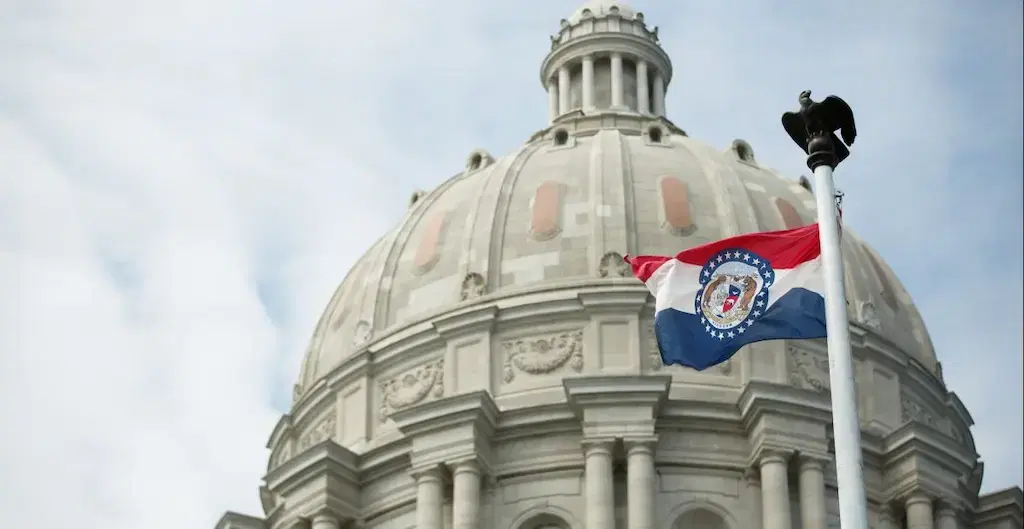
Novig and Crypto.com have sued Missouri officials over the state's efforts to restrict sports prediction markets. Both companies want federal courts to prevent authorities from applying state gambling laws to their sports event contracts.
Their lawsuits follow cease-and-desist letters issued by Missouri Attorney General Catherine Hanaway in September. The cases could help define the regulatory boundaries between federally overseen prediction markets and state-licensed sports betting.
The dispute centers on whether these contracts fall under federal commodities law or Missouri's sports wagering regulations. While the companies argue that federal oversight protects their operations, Missouri maintains that sports event contracts constitute gambling requiring state authorization.
Meanwhile, Novig faces a separate wave of controversy over its marketing campaign featuring actor Sydney Sweeney.
Missouri Moves Against Six Prediction Market Operators
Hanaway's office sent cease-and-desist letters to six platforms, including Novig, Crypto.com, Kalshi, Polymarket, Robinhood and Underdog. The letters gave operators 30 days to stop offering sports event contracts to Missouri residents or obtain the necessary state authorization.
Missouri's position is that companies cannot avoid gambling laws simply by describing sports wagers as financial contracts. The state also requires licensed sports wagering operators to follow applicable consumer protections and pay a 10% tax on wagering revenue.
These requirements place prediction markets in direct conflict with Missouri's existing gambling framework. The state's legal sports betting system began operating in December 2025, following voter approval in November 2024.
However, prediction-market operators argue that federal commodities regulation creates a separate legal pathway.
Novig Challenges Missouri's Regulatory Authority
Novig's exchange operator, Ludlow Exchange LLC, filed its lawsuit on October 16 in the U.S. District Court for the Eastern District of Missouri. The company seeks protection against enforcement actions targeting its sports event contracts.
Novig argues that its contracts qualify as swaps under the Commodity Exchange Act. Therefore, it maintains that the Commodity Futures Trading Commission (CFTC) has exclusive jurisdiction over its federally regulated exchange.
The lawsuit asks the court to prevent Missouri officials from enforcing state gambling restrictions against the platform. However, the filing does not establish that Novig is exempt from state law. Instead, it asks the court to resolve a contested question about federal preemption.
Missouri represents the sixth state where Novig has filed a lawsuit challenging restrictions on its sports event contracts. The company has also pursued legal action in New York, Wisconsin, Washington, New Mexico and Massachusetts. This expanding litigation strategy signals a broader effort to establish federal protections for prediction markets across multiple jurisdictions.
The case could have broader implications for US online sportsbooks and prediction market platforms competing for sports-related trading activity. If Novig prevails, other federally regulated exchanges could gain stronger grounds to challenge similar state restrictions. Conversely, a ruling favoring Missouri could reinforce states' authority to regulate sports event contracts as wagering.
Sydney Sweeney Campaign Adds to Novig's Public Scrutiny
Novig's legal battle has unfolded alongside controversy surrounding its advertising campaign featuring Sydney Sweeney. Released in September, the provocative commercial promoted the platform as a sports-focused alternative to prediction markets covering politics and other non-sporting events.
The campaign drew criticism from female athletes who argued that its sexualized portrayal of Sweeney undermined women's achievements in sports. Olympic swimming champion Ariarne Titmus and British sprinter Amy Hunt were among those who publicly criticized the advertisement.
The controversy also reached Major League Baseball broadcasts during the postseason. Los Angeles Dodgers outfielder Alex Call criticized sexually suggestive commercials airing during playoff coverage, including Novig's Sweeney advertisement. His comments added pressure to a debate over appropriate advertising during family-oriented sporting events.
Novig CEO Jacob Fortinsky defended the campaign, while the company continued promoting its sports-focused identity. Although the controversy is separate from the Missouri litigation, it has increased public attention around the platform as it challenges state regulators.
Crypto.com Sues the Missouri Gaming Commission
Crypto.com has filed a separate lawsuit through North American Derivatives Exchange (Nadex), the federally registered exchange behind its OG prediction-market platform. The company brought its case on October 16 in the U.S. District Court for the Western District of Missouri.
Nadex argues that the Commodity Exchange Act gives the CFTC exclusive jurisdiction over its contracts. It seeks a declaratory judgment and a permanent injunction preventing Missouri officials from enforcing state gambling laws against its sports markets.
The complaint also challenges Missouri's enforcement notice on procedural and practical grounds. Nadex says the attorney general's office incorrectly addressed its cease-and-desist letter to Foris DAX Inc., rather than the exchange operating the contracts.
Furthermore, the company argues that obtaining a state sportsbook license is not a realistic alternative. Missouri's constitution permits only two direct mobile sports wagering licenses, and both have already been awarded.
As of the latest reports on October 19, neither company had secured the requested court protection. Consequently, both lawsuits remain unresolved, leaving the courts to determine whether federal law prevents Missouri from applying its gambling rules.
Federal and State Gambling Rules Remain in Conflict
The Missouri lawsuits arrive amid conflicting federal court decisions over prediction-market regulation. The Sixth Circuit ruled against Kalshi's federal preemption argument in related litigation, while the Third Circuit reached a different conclusion in a New Jersey case.
That split complicates the legal outlook for prediction-market operators. Novig has pointed to related litigation involving Kalshi as relevant to its request for preliminary relief. The outcome of those disputes could influence how Missouri's federal courts approach the issue.
Meanwhile, Kalshi, Polymarket, Robinhood and Underdog had not filed comparable lawsuits in Missouri as of October 19.
The cases could have significant consequences for Missouri gambling regulation and competition with licensed sportsbooks. Traditional operators must comply with state licensing requirements, taxes and consumer-protection rules. Prediction-market platforms argue that federally regulated contracts should receive different treatment.
For now, neither lawsuit settles that question. The next major developments will likely come from the courts' consideration of the requested injunctions and the broader federal litigation over prediction-market jurisdiction.
Betting Industry News Betting Industry News Betting Industry News Betting Industry NewsMore Industry News

Underdog Sues Tennessee Over Prediction Market Crackdown

Alberta Opposes Canada's Sports Betting Ad Bill S-211
New Jersey Advances S597 Underage Gambling Penalty Bill
NBA Betting Restrictions Limit Markets for Sports Bettors

Jonathan Rodriguez
Jonathan is an avid basketball fan, and is often looking forward to the next upcoming NBA season when not checking players' stats during games. He also likes to keep his ears on the ground for the latest rumblings in the online casino industry.
This site contains commercial content. We may be compensated for the links provided on this page. The content on this page is for informational purposes only. Betting News makes no representation or warranty as to the accuracy of the information given or the outcome of any game or event.