Pennsylvania HB 2497 Targets Prediction Markets Regulation

Written by: Jonathan Rodriguez
Published: Tue May 12, 2026, 8:00 am ET
Read Time: 3 minutes
industry
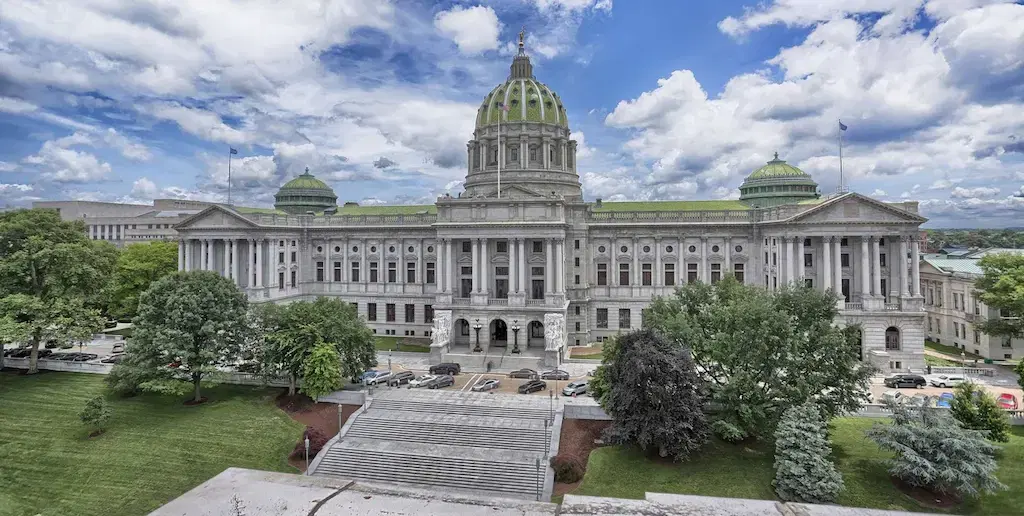
Pennsylvania lawmakers have advanced HB 2497, a proposal that would place prediction markets under a strict gambling-style regulatory system.
The bill reflects growing concern that event-based trading platforms now mirror US online sportsbooks in structure and behavior. As a result, lawmakers aim to expand control within Pennsylvania gambling oversight frameworks.
The legislation responds to high-profile controversies that intensified political pressure. For example, reports highlighted cases where a U.S. soldier reportedly won $400,000 by betting on the capture of a foreign leader.
In another instance, campaign staffers allegedly used private polling data to profit from political prediction contracts. Consequently, lawmakers argue these incidents expose serious integrity risks in unregulated markets.
Main Provisions of HB 2497 and Regulatory Structure
HB 2497 establishes a formal licensing regime for prediction market operators under state gaming oversight. It also introduces a proposed $1 million annual license fee, creating a high entry barrier for platforms seeking access to Pennsylvania users.
However, the bill goes further than licensing. It imposes a combined 22% tax rate, including a 20% state tax and 2% local levy. This structure significantly increases operational costs and may impact market profitability for operators.
Moreover, the Pennsylvania Gaming Control Board would gain authority to approve or reject specific market categories. This includes the power to ban sensitive contract types such as elections, judicial rulings, and natural disasters.
Therefore, regulators could effectively eliminate some of the most popular prediction market offerings.
In addition, the bill includes consumer protection rules, age restrictions, and transparency requirements. Transitioning from informal trading to regulated gambling-style oversight remains a core objective.
Why Lawmakers Escalated Regulation of Prediction Markets
Lawmakers, including Representative Tarik Khan, support HB 2497 due to growing concerns about market abuse and integrity risks. First, they argue prediction markets increasingly resemble online sports wagering platforms. Second, they believe these systems can bypass existing gambling protections and oversight rules.
Third, they highlight risks tied to sensitive information. Private polling data, political intelligence, and event-specific insights may create unfair advantages. Therefore, lawmakers insist stronger safeguards are necessary to protect market fairness and public trust.
Federal Conflict Creates Uncertainty for Enforcement
Despite state efforts, HB 2497 faces a major legal challenge from federal oversight. The Commodity Futures Trading Commission (CFTC) claims primary jurisdiction over event-based financial contracts. As a result, prediction markets may fall under federal rather than state authority.
This creates a significant risk that HB 2497 could face court challenges. Even if passed, operators may argue that federal law preempts state regulation. Consequently, legal uncertainty remains one of the biggest obstacles to implementation.
Broader US Regulatory Trend
Across the United States, states continue to evaluate prediction market regulation. Many policymakers now compare these platforms directly to US online sportsbooks rather than financial exchanges. Therefore, stricter licensing, taxation, and market restrictions are becoming more common.
In addition, regulators increasingly focus on election integrity and financial manipulation risks. This trend continues to shape how states approach emerging event-contract platforms.
Path forward for HB 2497
HB 2497 must still pass both chambers of the Pennsylvania legislature before reaching the governor. Furthermore, amendments may adjust tax levels, market restrictions, or enforcement powers during committee negotiations.
If enacted, regulators would develop detailed rules for licensing and enforcement. However, federal challenges from the CFTC may ultimately determine whether the law can stand.
Betting Industry News Betting Industry News Betting Industry News Betting Industry NewsMore Industry News
Protect College Sports Act Advances in Senate

Ninth Circuit Reverses Kalshi Tribal Injunction Ruling

New York Sports Betting Handle Falls 15% in August
H.R.10357 Advances Gambling Loss Tax Deduction Fix

Jonathan Rodriguez
Jonathan is an avid basketball fan, and is often looking forward to the next upcoming NBA season when not checking players' stats during games. He also likes to keep his ears on the ground for the latest rumblings in the online casino industry.
This site contains commercial content. We may be compensated for the links provided on this page. The content on this page is for informational purposes only. Betting News makes no representation or warranty as to the accuracy of the information given or the outcome of any game or event.