Polymarket Sues Louisiana Over CFTC Authority

Written by: Jonathan Rodriguez
Published: Thu Oct 29, 2026, 8:00 am ET
Read Time: 4 minutes
industry
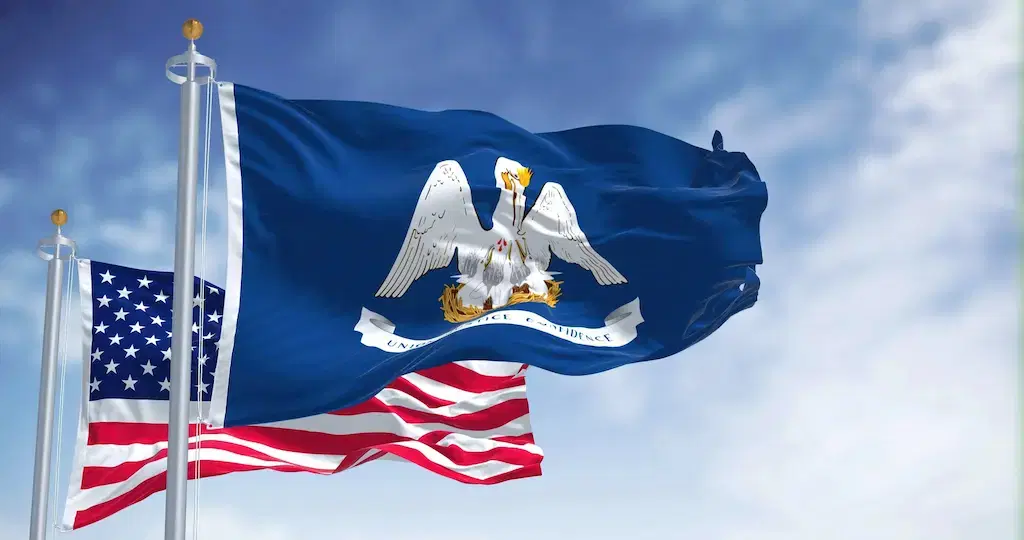
Polymarket has filed a federal lawsuit against Louisiana, challenging the state's efforts to apply gambling laws to prediction market contracts.
The October 27 filing argues that federal commodities law limits Louisiana's authority over these products. It also claims the state's restrictions violate the U.S. Constitution's protections for interstate commerce.
The lawsuit adds to a growing dispute between prediction market operators and state regulators. Companies such as Polymarket argue that federal oversight distinguishes their event contracts from traditional sports betting.
However, state officials maintain that certain contracts may fall under existing gambling laws.
Polymarket Challenges Louisiana Gambling Laws
Polymarket's U.S. operating entity, QCX LLC, filed the complaint against Louisiana Attorney General Liz Murrill and state gaming officials. The company seeks to prevent authorities from enforcing state gambling restrictions against its event contracts.
At the center of the case is the Commodity Exchange Act (CEA), which establishes the federal framework for derivatives markets. Polymarket argues that its contracts fall within this framework and therefore face federal oversight from the Commodity Futures Trading Commission (CFTC).
The company also challenges Louisiana's restrictions under the Commerce Clause. It argues that the state's approach unfairly limits interstate business and creates barriers for federally regulated operators.
"These discriminatory, balkanizing measures violate the Constitution's promise of open, interstate commerce. And, under settled precedent, they are unlawful," the lawsuit states.
Polymarket also points to Murrill's involvement in other states' efforts to regulate prediction markets.
"Louisiana Attorney General Liz Murrill has also publicly supported other states' efforts to enforce state gaming laws against CFTC-designated contract markets, including by filing amicus briefs," the complaint adds.
The lawsuit cites a letter the Louisiana Gaming Control Board sent in December 2025. The letter warned gambling operators that working with prediction markets could jeopardize their state licenses. This warning provides context for Polymarket's challenge to Louisiana's regulatory approach.
The board has raised concerns about sports-related event contracts and other prediction market products. Under Louisiana gambling laws, certain products could expose operators and licensed businesses to enforcement.
For Polymarket, the dispute also raises questions about access to regulated markets. The company argues that Louisiana's existing sports betting licensing framework does not provide a practical alternative for its business model.
Kalshi Also Sues Louisiana
Polymarket's lawsuit follows a separate legal challenge from prediction market operator Kalshi earlier this week. Kalshi filed its own federal lawsuit against Louisiana on October 23, disputing the state's authority to regulate its event contracts under gambling laws.
Like Polymarket, Kalshi argues that federal commodities law preempts state restrictions on qualifying prediction market contracts. Both companies seek to defend their operations against state enforcement, although their complaints do not necessarily raise identical legal arguments.
Polymarket's complaint invokes both federal preemption and the Commerce Clause. The parallel lawsuits increase pressure on Louisiana to defend its regulatory approach in federal court.
The cases also highlight a wider divide between prediction markets and traditional US online sportsbooks. Sportsbooks generally operate under state licensing and wagering rules, while prediction market platforms argue that qualifying event contracts belong under federal commodities regulation.
Prediction Market Disputes Spread Across States
The Louisiana lawsuits form part of a broader national fight over prediction market regulation. Operators have also challenged state authorities in Missouri and Utah, raising similar questions about the boundaries between federal oversight and state gambling laws.
The outcome could influence how regulators approach sports-related contracts and other event-based markets. However, filing a lawsuit does not establish that an operator's legal arguments will prevail.
What Happens Next?
The Louisiana cases will test whether federal commodities law limits the state's ability to enforce gambling restrictions against prediction market operators. The courts may also consider whether Louisiana's licensing rules impose unconstitutional barriers on interstate commerce.
Until judges resolve these disputes, the legal position of prediction markets will remain uncertain across several states. The rulings could shape the relationship between federal regulators, state gaming authorities and companies offering event contracts.
Betting Industry News Betting Industry News Betting Industry News Betting Industry NewsMore Industry News
Kalshi Sues Missouri Over Sports Prediction Market Rules

Tennessee Sports Betting Handle Hits $588.6M in September
OLG Partners With IC360 to Boost Sports Betting Integrity
Massachusetts Sports Betting Revenue Rises 34% in September

Jonathan Rodriguez
Jonathan is an avid basketball fan, and is often looking forward to the next upcoming NBA season when not checking players' stats during games. He also likes to keep his ears on the ground for the latest rumblings in the online casino industry.
This site contains commercial content. We may be compensated for the links provided on this page. The content on this page is for informational purposes only. Betting News makes no representation or warranty as to the accuracy of the information given or the outcome of any game or event.