Mississippi State Players Penalized Over Kalshi Trades

Written by: Jonathan Rodriguez
Published: Fri Aug 14, 2026, 11:00 am ET
Read Time: 4 minutes
ncaaf
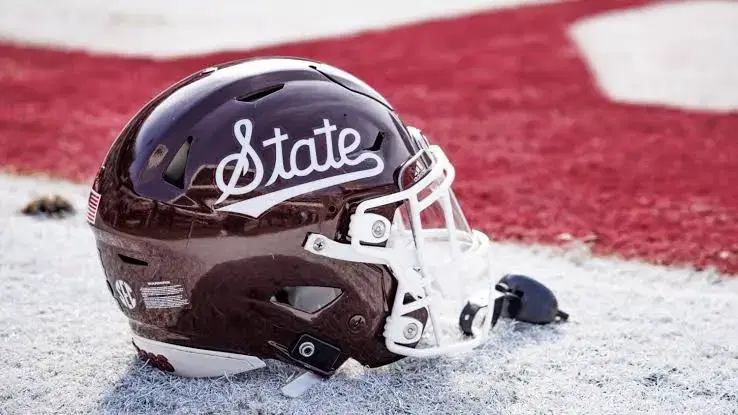
Two Mississippi State football players received NCAA penalties after making sports-related trades through prediction market Kalshi. The cases involved small amounts and professional sports events.
The details came from disclosures reported by the Clarion Ledger, which examined the players' NCAA gambling violations. The cases highlight growing questions around prediction markets and athlete gambling rules.
Mississippi State Players Flagged Over Kalshi Activity
Mississippi State disclosed two gambling-related violations involving football players during 2026. The NCAA classified both cases as Level III violations, its lowest enforcement category.
The incidents involved Kalshi contracts tied to Super Bowl LX and NBA All-Star Weekend. ProhiBet, an integrity monitoring system, alerted Mississippi State officials about both players.
The NCAA prohibits athletes from wagering on sports through sportsbooks, prediction markets, and similar platforms. That rule applies even when a prediction market operates legally within a state.
The cases therefore create an unusual situation for Mississippi gambling. Mississippi permits retail sports betting but does not offer statewide mobile sports betting.
Meanwhile, Kalshi operates under federal oversight as a prediction market. That distinction creates different regulatory treatment for consumers and NCAA athletes.
One Player Traded on a Super Bowl Contract
The first incident occurred on Super Bowl Sunday, when ProhiBet alerted Mississippi State officials. The player had purchased $50 worth of Kalshi contracts on the championship game.
The contract backed the New England Patriots against the Seattle Seahawks. It represented an event contract available through Kalshi on the Super Bowl matchup.
Seattle ultimately won Super Bowl LX 29-13, leaving the player with a $50 loss. The player later met with Mississippi State's compliance department on February 17.
He admitted making the trade and said it was his only sports wager. University officials reviewed his Kalshi account and confirmed his statement.
The school required him to complete NCAA gambling rules education. The player did not receive an additional punishment or lose his eligibility.
Second Player Made Two NBA-Related Trades
A second Mississippi State player triggered another ProhiBet alert during NBA All-Star Weekend. The player admitted making two $10 Kalshi trades.
One contract predicted Damian Lillard would win the NBA 3-Point Contest. Lillard won, producing a $64 payout for the player.
The second trade concerned whether a broadcaster would use specific words during the All-Star Game. That prediction lost.
Mississippi State reviewed the player's account and found no other sports wagers. The player also met with compliance officials on February 17.
The school required him to complete gambling education and donate $66.47 to charity. Neither player received a suspension or lost eligibility.
Kalshi Trades Create Questions for NCAA Rules
The cases highlight a growing conflict between prediction markets and conventional sports betting. Kalshi describes its contracts as financial instruments rather than traditional wagers.
State gambling regulators and prediction market operators continue to dispute that distinction. The NCAA, meanwhile, applies its gambling rules based on the underlying sporting event.
Gaming America noted that the Mississippi State players did not manipulate markets or use insider information. Their activity instead involved predictions on professional sporting events.
That distinction could become increasingly important as prediction markets expand their sports offerings. Courts could eventually determine how sports-related event contracts should be classified.
Prediction Markets Challenge Traditional Sports Betting
The situation also separates Kalshi from traditional US online sportsbooks. Mississippi does not currently offer statewide online sports betting through conventional operators.
Yet athletes can access sports prediction contracts through platforms operating under federal regulatory oversight. That creates another layer of complexity for college sports compliance officials.
The NCAA's rules remain clear despite those regulatory differences. Athletes cannot wager on sporting events through sportsbooks or prediction market platforms.
Therefore, the Mississippi State cases show how prediction markets can create compliance risks for college athletes. The financial amounts may be small, but the policy questions remain significant.
Mississippi State Cases Could Influence Future Athlete Rules
The two incidents involved approximately $70 in trades and produced limited penalties. Neither case involved Mississippi State games or evidence of competition manipulation.
Still, the cases could become more relevant as prediction markets gain a larger role in sports. The NCAA may eventually need separate guidance for prediction market contracts.
If courts recognize sports contracts as financial products, existing NCAA rules could face new questions. The organization could instead introduce specific restrictions covering athlete participation in prediction markets.
For now, Mississippi State's cases reinforce a straightforward rule for college athletes. Regardless of a platform's legal classification, sports-related trading can trigger NCAA gambling violations.
Betting Industry News Betting Industry News Betting Industry News Betting Industry NewsMore Industry News
South Carolina Governor Race Could Open Door to Sports Betting

Nevada Targets 2027 Sportsbook Tech Standards Overhaul
NFL Backs SCOTUS Review of Prediction Markets
Coinbase Halts Sports Contracts in Michigan

Jonathan Rodriguez
Jonathan is an avid basketball fan, and is often looking forward to the next upcoming NBA season when not checking players' stats during games. He also likes to keep his ears on the ground for the latest rumblings in the online casino industry.
This site contains commercial content. We may be compensated for the links provided on this page. The content on this page is for informational purposes only. Betting News makes no representation or warranty as to the accuracy of the information given or the outcome of any game or event.